The 1990s were a pivotal decade for Bray Wanderers, a period that saw the club evolve from a modest presence in Irish football to a competitive force in the League of Ireland Premier Division. The transformation was not merely about results on the pitch; it was a cultural renaissance that redefined the identity of the club and its relationship with the community of Bray.
In the early years of the decade, Bray Wanderers were primarily known for their lower-league campaigns. However, the appointment of a series of ambitious managers, coupled with strategic investments in player development, began to stir a sense of optimism among fans. The club’s leadership recognized that to compete with giants like Shamrock Rovers and Cork City, they needed to enhance their scouting network and improve youth development. This shift laid the groundwork for a more competitive squad and a stronger identity as the Seasiders began to attract local talent.
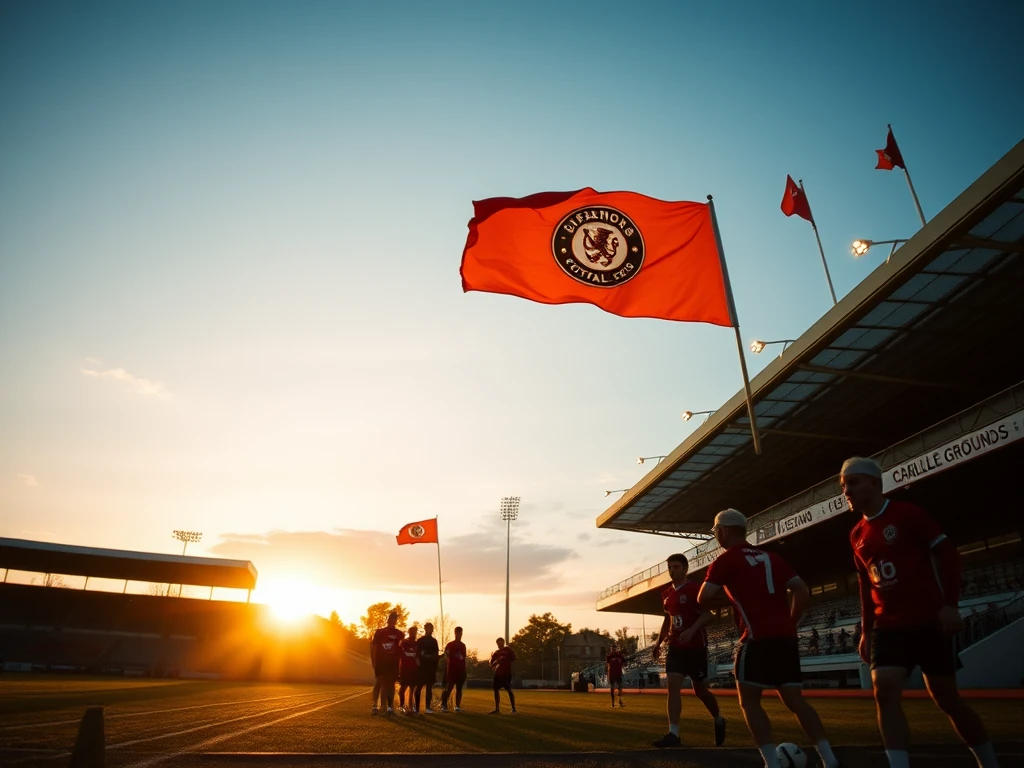
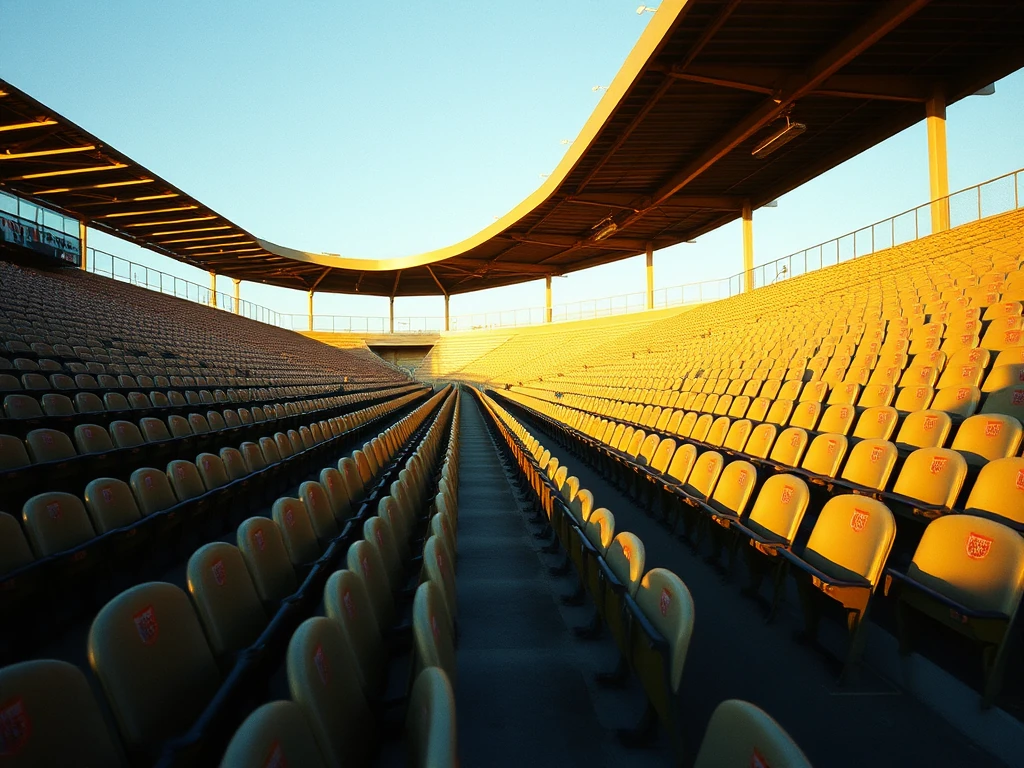
One of the most notable moments during this era occurred in 1993 when Bray Wanderers made the significant decision to move to the Carlisle Grounds as their permanent home. This venue, with its historic charm and passionate fanbase, became a fortress for the team. The decision to invest in the facilities and infrastructure around the ground signaled a commitment to long-term growth and community engagement. The Seasiders began to foster a loyal following, as local supporters rallied around a team that was finally showing ambition and promise.
As the decade progressed, the arrival of key players began to reshape the team’s fortunes. Fan favorites emerged, players who not only contributed on the pitch but also embodied the spirit of Bray. The likes of Paul McGee and later, stalwarts from the youth academy, formed a bridge between the club’s history and its ambitions for the future. These players became role models for the next generation, inspiring young fans to dream of wearing the Bray Wanderers jersey one day.
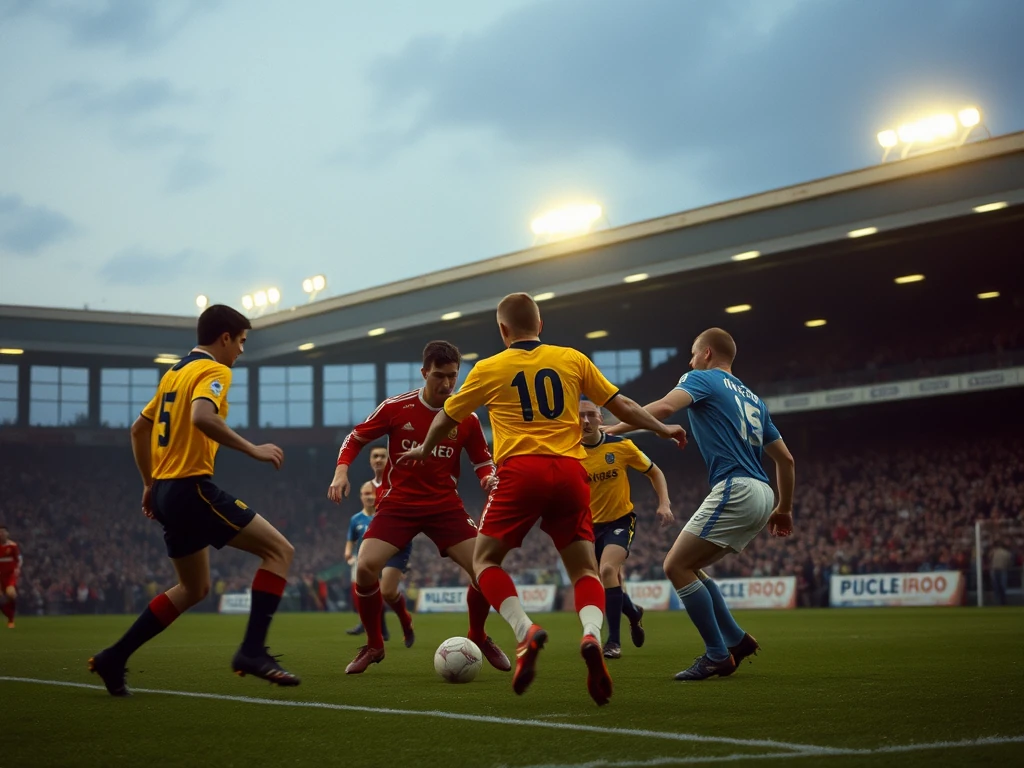
The culmination of this revival came in 1999 when Bray Wanderers secured a spot in the FAI Cup final, facing off against one of their biggest rivals. Although they did not lift the trophy that day, the achievement itself was monumental. It marked the first time in years that Bray was not only competing in the top tier but also challenging for silverware. The match drew a significant crowd, illustrating the growing support for the team and the excitement surrounding their resurgence.
Beyond the pitch, the 1990s were also marked by a more profound connection between the club and its supporters. Community initiatives flourished, with the club actively engaging in local events and fostering a sense of unity among fans. The Seasiders became a symbol of pride for the town of Bray, with local businesses and residents rallying behind the team. Match days transformed into community celebrations, and the Carlisle Grounds buzzed with energy, echoing the hopes and dreams of the townsfolk.
In retrospect, the groundwork laid in the 1990s set the stage for Bray Wanderers' future successes. The club emerged with a renewed sense of purpose, shifting from a historical underdog to a contender full of potential. As we reflect on this transformative decade, it is clear that the blend of ambition, community, and sporting prowess became the bedrock upon which Bray Wanderers would continue to build their legacy in Irish football.