In the realm of Irish football, few clubs have experienced the highs and lows quite like Bray Wanderers. The 1990s were a crucial decade for the Seasiders, marked by both challenges and triumphs that would shape the club's identity for years to come. After suffering relegation in the late 1980s, Bray faced the daunting task of rebuilding and re-establishing themselves in the League of Ireland.
The early part of the decade saw Bray Wanderers grappling with instability, but a strategic shift in management and player recruitment began to turn the tide. Under the guidance of manager Eddie Gormley, who took the reins in 1992, the club initiated a series of reforms to revitalize the team. Gormley recognized the importance of not just bringing in talent, but also fostering a cohesive unit that could compete at higher levels.
One of the standout moments of this era occurred in 1994 when Bray Wanderers achieved promotion to the Premier Division after finishing at the top of the First Division. This successful campaign was spearheaded by a charismatic squad featuring players like David Crawley, whose scoring prowess became pivotal in securing crucial victories. The team’s resilience and determination garnered them a loyal fanbase, as supporters rallied behind their club during both the good times and the challenging moments.
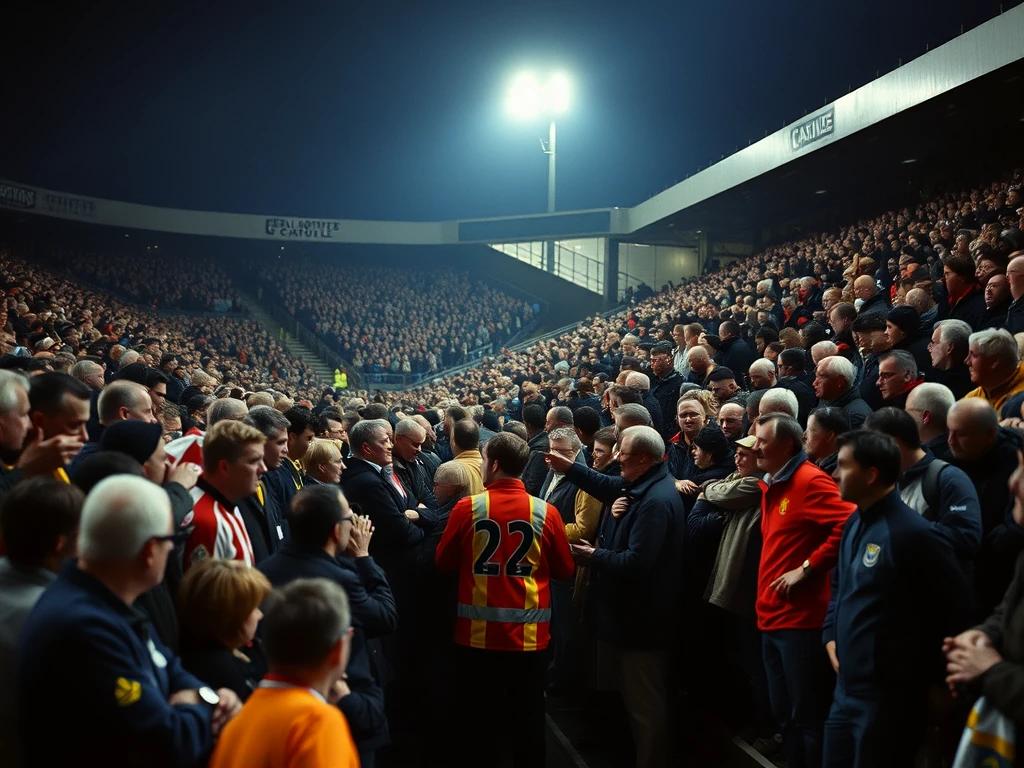
As the Seasiders returned to the top tier of Irish football, they quickly made a name for themselves as a competitive force. The club’s home ground, Carlisle Grounds, became a fortress, where passionate fans created an electrifying atmosphere that was crucial in pushing the team forward. The camaraderie among players and supporters alike was palpable, and it was this sense of unity that propelled Bray Wanderers through a highly competitive league.
Another key figure from this period was Raymond O'Neill, whose leadership on the pitch was instrumental in guiding the team to numerous vital points. His experience and tactical acumen added depth to the squad, while his ability to inspire younger players helped to cultivate a new generation of talent within the club. O'Neill’s contributions exemplified the spirit of Bray Wanderers during this transformative time.
The late 1990s saw Bray Wanderers solidifying their position in the Premier Division, consistently finishing mid-table and competing against some of the league's giants, including local rivals Shamrock Rovers. The intense rivalry became a defining feature of the club’s identity, and matches against the Rovers drew significant crowds, underscoring the passion and dedication of Bray's fanbase.
By the conclusion of the decade, Bray had not only secured their place in the Premier Division but had also laid the groundwork for future success. The legacy of the 1990s was one of resilience, teamwork, and the unwavering support of the Seasiders' fans. It set a precedent for the club’s approach to football and fostered a culture of ambition that continues to resonate today.
As we reflect on this pivotal era, it’s clear that the journey of Bray Wanderers in the 1990s was not merely about results on the pitch-it was about rebuilding a club, rekindling hope, and reigniting the passion of a community. The lessons learned and the foundation laid during this time remain integral to the club's identity, as Bray Wanderers continue to strive for excellence in the ever-evolving landscape of Irish football.